The Hidden Cost of Under-Insulated Manufactured & Mobile Homes in the White Mountains
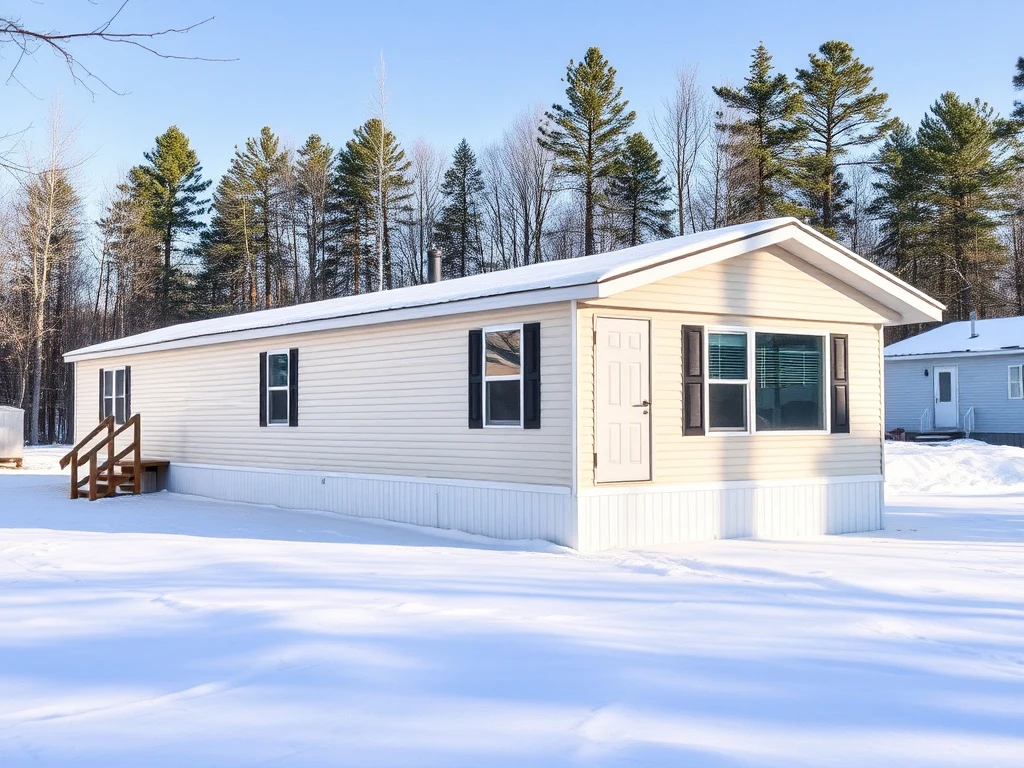
Manufactured and mobile homes, including park-model cabin units, are a common housing type in and around Show Low and the wider White Mountains region — and they get systematically overlooked by insulation content written for standard site-built houses. The reality is that manufactured homes have their own set of insulation failure points, and at 6,400 feet with real winter cold, an under-insulated one costs its owner more than most people realize — in heating bills, in comfort, and in real frozen-pipe risk.
The underbelly system most homeowners never see
A manufactured home's floor insulation is held in place by the belly-wrap — a fabric or board barrier stretched beneath the floor framing, out of sight and, for most owners, out of mind until something goes wrong. When belly-wrap sags, tears, or gets torn open by rodents seeking shelter, the insulation above it falls away, gets wet, or simply stops doing its job. Because it's invisible from inside the home, this kind of failure often goes undetected for years — the only symptom is a floor that's persistently cold no matter how high the thermostat is set, which owners frequently (and understandably) blame on the furnace or heat pump instead of the actual cause underneath.
Skirting: not just cosmetic
Skirting panels around the base of a manufactured home do real thermal work — they block wind from blowing directly under the floor system. Gaps, missing panels, or skirting that was never properly sealed at the ground line let cold air move freely under the home, stripping heat from the floor above and, in a hard freeze, raising the odds of frozen underfloor plumbing. It's easy to think of skirting as a finishing touch, but in a climate with regular sub-freezing nights, it's functioning as part of the building envelope whether it was designed with that in mind or not.
What this actually costs an owner
The direct cost shows up on the heating bill — a manufactured home with a compromised underbelly system loses heat continuously through the floor, meaning the furnace, heat pump, or wall heater runs longer and more often than it should to maintain the same indoor temperature. Over a full White Mountains winter, that's a meaningful and entirely avoidable increase in gas, propane, or electric costs. The less obvious cost is risk: a cold, unprotected underbelly is exactly where underfloor plumbing freezes during a hard cold snap, and a burst pipe under a manufactured home can mean real water damage and a genuinely disruptive repair — far more expensive than the insulation fix that would have prevented it.
There's also a comfort cost that's easy to underestimate until it's fixed: persistently cold floors change how a home feels to live in day to day, especially in bedrooms and living areas where people spend the most time barefoot or seated low to the ground. Owners who've had a proper belly-wrap and underbelly repair done consistently describe the difference as far more noticeable than they expected going in.
How this gets diagnosed and fixed
A proper manufactured-home insulation assessment starts underneath the home, not in the attic. We inspect the belly-wrap for sagging, tears, and rodent damage; check skirting for gaps and sealing quality at the ground line; and look at duct boots and plumbing penetrations in the underbelly space for leaks that let conditioned air escape before it ever reaches the living space above. From there, the fix is straightforward but genuinely specialized work: remove and replace failed sections of belly-wrap, re-insulate the exposed underfloor cavity to a real R-value, repair or upgrade skirting where it's compromising performance, and re-seal duct boots and penetrations.
Why this is a specialty, not a smaller version of a standard job
A lot of general insulation contractors treat manufactured homes as a scaled-down version of a site-built house — same attic-first mindset, same assumptions about how the building envelope works. That mismatch is exactly why so many manufactured homes across the region stay under-insulated for years even after a homeowner has already paid for an attic upgrade that didn't fix the actual problem. We approach manufactured and mobile home insulation as its own discipline, because the real failure points — belly-wrap, skirting, underbelly ductwork — are specific to how these homes are built and don't have a direct equivalent in standard insulation work.
If your floors are cold, start underneath
If you own a manufactured or mobile home in Show Low, Taylor, or anywhere in the surrounding White Mountains and your floors are persistently cold despite the heat running, the underbelly system is the first place to look — not automatically the attic. A proper inspection tells you exactly what's failed and what it will take to fix it, and for most homes this is a far more targeted, cost-effective repair than homeowners expect once they know where to look. Call 844-967-5247 for a free assessment.
Frequently asked questions
Cold floors in a manufactured or mobile home are usually caused by sagging or torn belly-wrap, gaps in skirting, or unsealed duct boots letting cold air into the underbelly space — not necessarily a lack of attic insulation. A proper inspection looks underneath the home first to find the actual cause.
Yes. A compromised belly-wrap lets cold air reach the underfloor space where plumbing often runs, and in a hard freeze at Show Low's elevation, that's a real path to a frozen or burst pipe. Repairing and re-insulating the underbelly is a meaningful part of frozen-pipe prevention for manufactured homes.
It's functional, not just cosmetic. Skirting blocks wind from moving directly under a manufactured home's floor system. Gaps or missing panels let cold air strip heat from the floor above and raise the risk of frozen underfloor plumbing, especially during a hard winter cold snap.
Ready for a free quote?
Tell us about your home and we'll build a clear quote — current rebates included.