Manufactured & Mobile Home Insulation in Show Low & the White Mountains, AZ
Belly-wrap, skirting, and underfloor insulation for manufactured and mobile homes — a common and often overlooked housing type across Show Low and the White Mountains.
Manufactured and mobile homes — including park-model cabin units — are a common housing type in and around Show Low and the wider White Mountains region, and they have insulation needs that a lot of standard insulation contractors simply don't specialize in. The underbelly, skirting, and duct system on a manufactured home are built differently than a site-built crawlspace, and at 6,400 feet with real winter cold, gaps or degraded insulation in that underbelly system mean cold floors, high heating bills, and real frozen-pipe risk.
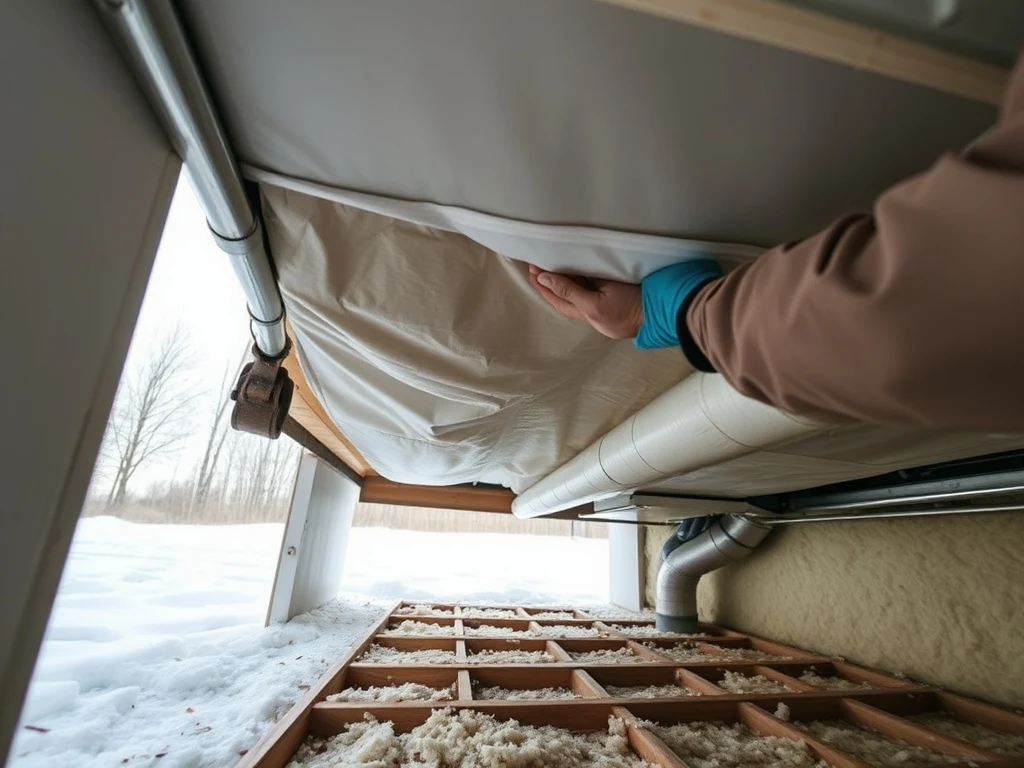
We work on manufactured and mobile homes across Show Low, Taylor, and the surrounding towns regularly — removing and replacing sagging or rodent-damaged belly-wrap, insulating and re-sealing the underbelly, repairing and upgrading skirting, and sealing the duct boots and penetrations that let cold air straight into your living space from below.
Why homeowners choose it
- Fixes the cold-floor problem that's extremely common in older manufactured homes
- Belly-wrap repair and re-insulation protects underfloor plumbing from freezing
- Skirting insulation and sealing reduces wind-driven heat loss
- Duct-boot sealing stops conditioned air from leaking into the underbelly space
- Lowers gas, propane, or electric heating bills significantly on drafty units
- A genuinely specialized service most general insulation contractors don't offer well
Belly-wrap and underbelly insulation
The belly-wrap — the fabric or board barrier stretched beneath a manufactured home's floor framing — holds the underfloor insulation in place and keeps weather, pests, and moisture out. Over time it sags, tears, or gets damaged by rodents, and once it fails, insulation falls away or gets soaked, and the floor above loses whatever protection it had. We inspect the underbelly, remove and replace damaged sections of wrap, re-insulate with an appropriate loose-fill or batt product, and re-seal the whole system so it actually does its job through a Show Low winter rather than just looking intact from the outside.
How manufactured & mobile home insulation works, start to finish
Free assessment
We inspect your home, measure existing R-value, and confirm what current Efficiency Arizona HEAR or UniSource funding applies.
Custom plan & itemized quote
A clear, honest scope — the right material in each area, built to Zone 5B's R-49 attic / R-20 wall targets.
Clean, professional install
Our crews prep, air seal, and install to your target R-value, on schedule and with the site protected.
Documentation & rebate help
We verify the finished work, document before-and-after depth, and help file current rebate paperwork.

At 6,400 feet with regular sub-freezing nights, a manufactured or mobile home's underbelly system is doing real structural work keeping the floor warm and the pipes from freezing — not just a cosmetic finish. We size belly-wrap, skirting, and underfloor insulation for Show Low's actual winter conditions.
Skirting: more than a cosmetic detail
Skirting isn't just there to hide the home's undercarriage — it's a genuine part of the thermal and moisture envelope. Gaps, missing panels, or skirting that was never properly sealed at the ground line let wind blow directly under the home, stripping heat from the floor above and raising the odds of frozen pipes in a cold snap. We assess skirting condition as part of every manufactured-home job and repair or recommend upgrades where it's compromising the home's performance — a detail that's easy to overlook but makes a real difference in a windy White Mountains winter.
Why this matters more in Show Low than in most of Arizona
Manufactured and mobile homes are common throughout Navajo County and the wider White Mountains, and unlike in the low-desert Phoenix market, the insulation and sealing quality of the underbelly system genuinely determines whether a resident stays warm and keeps pipes intact through a real winter. We treat manufactured-home insulation as its own specialty rather than a smaller version of a site-built job, because the failure points — belly-wrap, skirting, duct boots — are specific to how these homes are built.
Duct sealing in the underbelly system
Most manufactured homes route their heating ducts through the underbelly cavity, and that ductwork is a common, often-overlooked source of heat loss. A duct boot that's cracked, disconnected, or simply never sealed properly at the factory lets your furnace or heat pump's warm air escape into the cold underbelly space instead of reaching your living room — meaning the system runs longer and harder while some of what you're paying for never makes it inside. We inspect accessible duct runs and boots as part of every manufactured-home assessment and seal what we find, which is often a meaningful, low-cost fix on its own.
Because the underbelly is a single connected cavity, a leak or gap in one area can also let cold air migrate to affect a part of the floor system that's otherwise well insulated. That's part of why we assess the whole underbelly as one system rather than patching a single visible problem spot and calling it done.
Assessing an older or previously repaired manufactured home
Many manufactured homes across the region are older units that have seen some prior repair work — sometimes done well, sometimes a quick patch that didn't hold up. Before we recommend a scope of work, we do a full underbelly inspection: checking the condition and coverage of existing insulation, looking for any signs of moisture intrusion or prior water damage, and assessing whether the belly-wrap and skirting are original or previously repaired. This tells us whether a targeted repair will genuinely solve the problem or whether a more complete underbelly renewal is the honest recommendation — and we'll walk you through exactly which one your home needs and why.
Ideal for
- Older manufactured and mobile homes with visibly sagging or torn belly-wrap
- Homes with persistently cold floors despite the heat running
- Manufactured homes with a history of frozen underfloor pipes
- Park-model cabin units used seasonally around Pinetop-Lakeside and Overgaard
- Homeowners preparing an older unit for its first real White Mountains winter
What affects the cost
Manufactured & Mobile Home Insulation questions, answered
Yes — manufactured and mobile homes are insulated and sealed differently than site-built homes, with belly-wrap, skirting, and duct-boot sealing all playing a role in keeping floors warm and pipes protected. Given Show Low's elevation and real winter cold, these systems need to actually perform, not just look intact.
Cold floors in a manufactured or mobile home are usually caused by sagging or torn belly-wrap, gaps in skirting, or unsealed duct boots letting cold air into the underbelly space — not necessarily a lack of insulation alone. We inspect the whole underfloor system to find the actual cause before recommending a fix.
Yes. We inspect the underbelly, remove and replace damaged sections of belly-wrap, re-insulate the exposed area, and re-seal the system so it holds up through winter. This is one of the most common and highest-impact repairs we do on older manufactured homes in the region.
Manufactured and mobile homes, including park-model cabin units, are a common housing type across Show Low and the surrounding White Mountains region. We work on them regularly and treat their underbelly, skirting, and duct-sealing needs as a specialty rather than an afterthought.
Related services
Ready for a free manufactured & mobile home insulation estimate?
Tell us about your home and we'll put together a clear, no-pressure quote — plus tell you what current Arizona rebate funding you may qualify for.