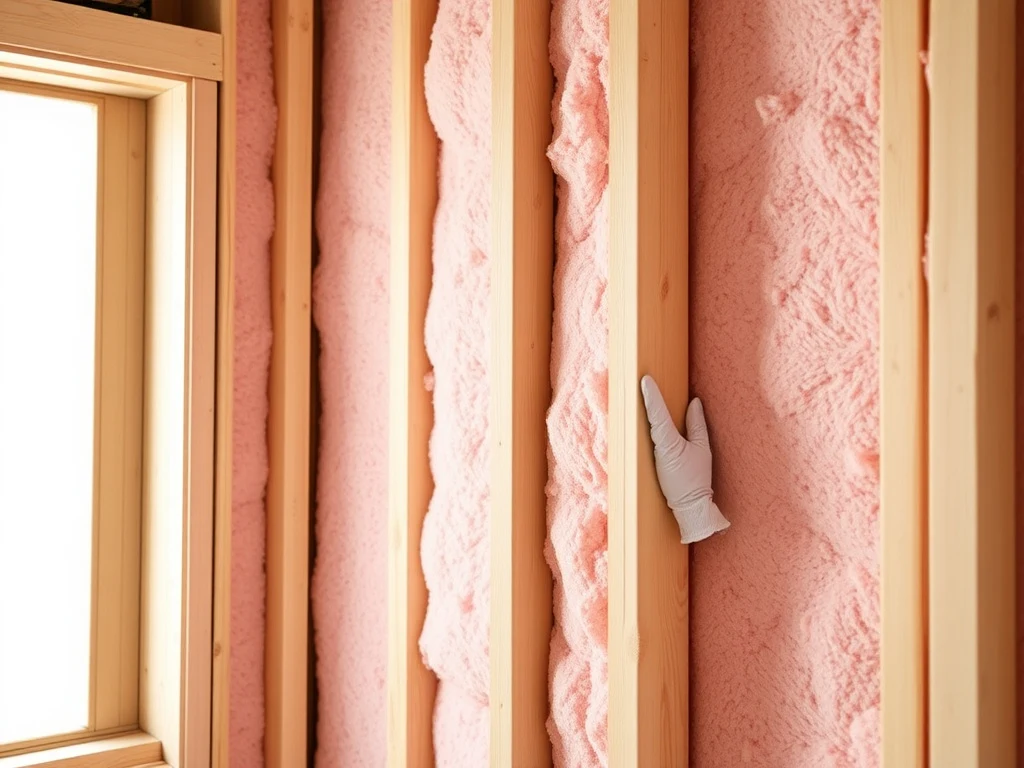
Batt & Roll Insulation in Show Low & the White Mountains, AZ
Fiberglass and mineral-wool batts for new walls, cabin additions, and outbuildings common around Show Low and Pinetop-Lakeside — proven and cost-effective when installed right.
Batt and roll insulation is the tried-and-true workhorse of the insulation world, and when it's installed correctly it delivers reliable, cost-effective performance. Pre-cut fiberglass or mineral-wool batts fit between studs, joists, and rafters in walls, floors, and ceilings — an efficient solution for new construction, cabin remodels, and the shops and outbuildings that come with White Mountains acreage around Show Low, Pinetop-Lakeside, and Overgaard.
The catch with batts is that installation quality makes or breaks their performance. Gaps, compression, and batts stuffed carelessly around wiring can cut real-world R-value dramatically — a common problem we find when we're called out to fix someone else's rushed batt job in a cabin addition. Our crews install batts the right way — cut to fit, snug in the cavity, split around obstructions — so you get the full rated R-value you're paying for, and the Zone 5B wall performance your home needs.
Why homeowners choose it
- Cost-effective, proven performance in open framing
- Fiberglass and fire-resistant mineral-wool options
- Mineral wool adds excellent sound dampening for interior walls
- Ideal for new walls, cabin additions, and accessible outbuilding framing
- Installed cut-to-fit for full-rated R-value, not a rushed stuff-job
- A common-sense choice for shops, garages, and second-home builds across the White Mountains
Fiberglass vs. mineral-wool batts
Fiberglass batts are the most common and economical choice, available in a range of R-values to suit walls, floors, and ceilings. Mineral-wool (rock-wool) batts cost a bit more but bring real advantages: they're denser, naturally fire-resistant, water-repellent, and outstanding at blocking sound — which makes them a strong choice for interior walls and any building near open pine forest where fire-resistance is a genuine consideration. Both are excellent when installed properly; the right one depends on the location and what you're trying to achieve.
How batt & roll insulation works, start to finish
Free assessment
We inspect your home, measure existing R-value, and confirm what current Efficiency Arizona HEAR or UniSource funding applies.
Custom plan & itemized quote
A clear, honest scope — the right material in each area, built to Zone 5B's R-49 attic / R-20 wall targets.
Clean, professional install
Our crews prep, air seal, and install to your target R-value, on schedule and with the site protected.
Documentation & rebate help
We verify the finished work, document before-and-after depth, and help file current rebate paperwork.

Zone 5B calls for roughly R-20 wall performance in a home like this — a meaningfully higher target than the R-13 walls typical of low-desert Phoenix construction, because Show Low's building code is built around keeping heat IN, not keeping heat out.
Installation quality is everything
The single biggest factor in how well batt insulation performs isn't the product — it's the install. A batt that's compressed, gapped, or forced around wiring can lose a large share of its rated R-value, and it's the most common shortcut we see in DIY cabin or outbuilding conversions across the White Mountains. Our crews cut batts to fit each cavity precisely, split them cleanly around electrical and plumbing runs, and fit them snug without compressing, so the insulation performs the way the label promises — and actually reaches Zone 5B's R-20 wall target, not a diminished real-world number.
Where batts fit around Show Low and the White Mountains
Batts are an excellent, budget-friendly choice wherever framing is open — new walls, cabin remodels, floors over crawlspaces, and the shops, garages, and outbuildings that are common on Show Low and Pinetop-Lakeside acreage. For attics and existing closed walls, blown-in or spray foam usually make more sense. In many properties the best result comes from combining methods: batts in a new addition or shop, blown-in in the house attic, and spray foam where an air seal matters most. We design the system for the whole property, not just one building.
Vapor barriers and detailing in a Zone 5B assembly
Batt insulation in a cold-climate wall assembly needs a properly placed vapor retarder to perform correctly and avoid trapping moisture inside the wall cavity over a long heating season. We detail the vapor barrier on the warm-in-winter side of the assembly — typically facing the interior living space in a Show Low home — and make sure it's continuous, without gaps or tears that would undermine the whole system. Getting this detail right matters more in a genuine cold climate like Zone 5B than it does in most of Arizona, where a lot of generic batt-installation guidance simply doesn't address it.
We also pay attention to how batts meet other insulation types at transitions — where a batt wall meets a spray-foamed rim joist, or where wall insulation meets the attic floor's blown-in blanket. Gaps at these transition points are a common, easy-to-miss source of heat loss even when each individual material is installed correctly on its own.
Ideal for
- New construction and remodels with open framing
- Cabin additions and second-home builds around Pinetop-Lakeside and Overgaard
- Interior walls needing soundproofing (mineral wool)
- Floors over unconditioned crawlspaces or garages
- Homeowners and builders wanting a budget-friendly, reliable option
What affects the cost
Batt & Roll Insulation questions, answered
When installed correctly, batts deliver reliable, cost-effective R-value in open framing. Spray foam and blown-in outperform batts for air sealing and for filling irregular or closed cavities. The best White Mountains properties often use all three — batts in a new addition or shop, blown-in in the house attic, and foam where an air seal matters most. We design the combination for your project.
Show Low sits in IECC Zone 5B, where typical wall targets run around R-20 (or R-13 with continuous exterior insulation) — noticeably higher than the R-13 walls common in low-desert Phoenix construction, because this climate is heat-retention-driven, not cooling-driven.
Fiberglass is economical and versatile for most walls and floors. Mineral wool costs more but is fire-resistant, water-repellent, and far better at blocking sound — a smart pick for interior walls or buildings near open pine forest. We'll recommend the right one for each location.
Because compressed, gapped, or carelessly stuffed batts can lose a large share of their rated R-value. Proper installation — cutting batts to fit, splitting around wires and pipes, and fitting them snug without compression — is what delivers the performance you're paying for, especially in a DIY-prone cabin or shop conversion.
Related services
Ready for a free batt & roll insulation estimate?
Tell us about your home and we'll put together a clear, no-pressure quote — plus tell you what current Arizona rebate funding you may qualify for.