Ice Dam & Frozen Pipe Protection in Show Low & the White Mountains, AZ
Balanced attic insulation and ventilation to stop ice dams, plus pipe insulation for crawlspaces and exterior walls — built for Show Low's ~19 inches of annual snow.
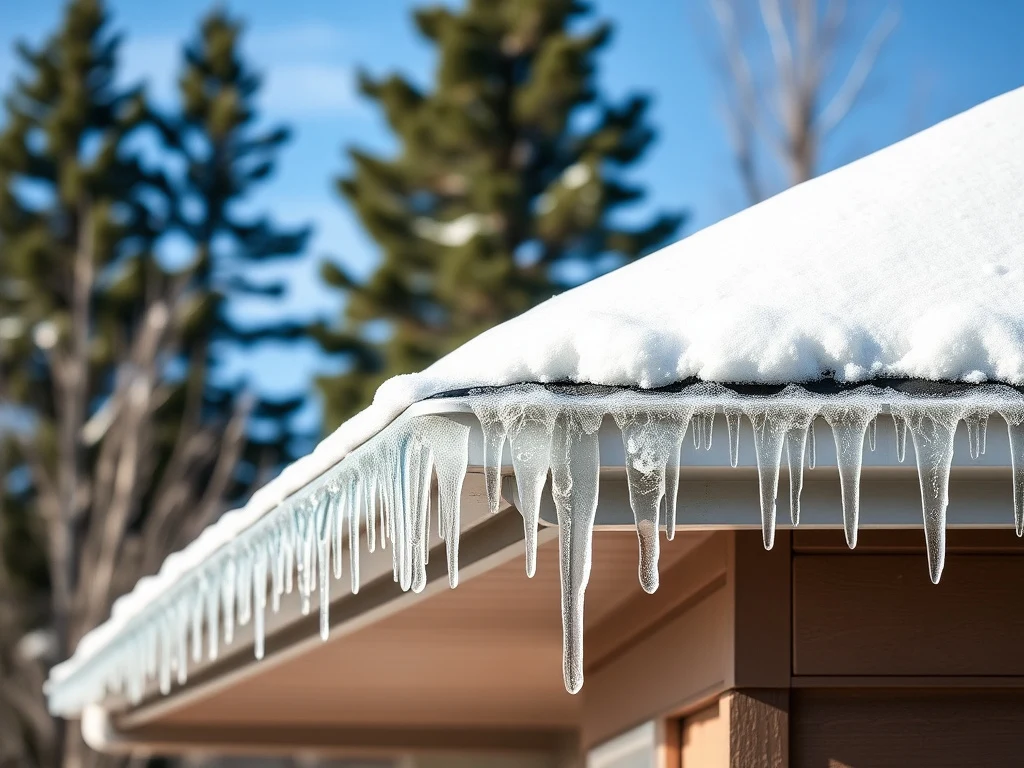
Show Low gets more snow than most of the rest of Arizona — around 19 inches a year, heaviest in January — and that means ice dams and frozen pipes are real, recurring problems here in a way they simply aren't in most of the state. An ice dam forms when heat escaping into an under-insulated, under-ventilated attic melts the snow sitting on the roof; that meltwater runs down to the cold eaves, where it refreezes into a ridge of ice that backs water up under your shingles. Frozen pipes happen the same way, in reverse: cold finds its way into an uninsulated crawlspace, exterior wall, or manufactured-home belly-wrap and freezes standing water in the line.
Both problems have the same root cause — heat loss and air leakage in the wrong places — and both have the same fix: a balanced system of attic insulation, ventilation, air sealing, and targeted pipe insulation, sized correctly for a real White Mountains winter rather than a generic national spec.
Why homeowners choose it
- Balanced attic insulation and ventilation, not insulation alone
- Air seals the attic leaks that cause uneven roof-deck temperatures
- Pipe insulation for crawlspaces, exterior walls, and vulnerable runs
- Reduces water intrusion and roof-edge damage from ice dams
- Protects manufactured and mobile home plumbing during hard freezes
- Timed and sized for Show Low's ~19 in/yr snowfall, not a generic climate spec
How ice dams actually form — and how we stop them
Ice dams aren't caused by cold weather alone; they're caused by an attic that's warmer than the outside air. Heat escaping through an under-insulated or leaky attic warms the underside of the roof deck, melting the snow directly above the living space while the eaves — which sit past the heated envelope — stay cold. The meltwater runs down and refreezes right at that cold edge, building an ice ridge that can force water back up under the shingles. The fix is balance, not brute force: air seal the attic floor so warm air can't escape, insulate to the R-49 target Zone 5B calls for, and make sure soffit and ridge ventilation keep the whole roof deck at a consistent, cold temperature.
How ice dam & frozen pipe protection works, start to finish
Free assessment
We inspect your home, measure existing R-value, and confirm what current Efficiency Arizona HEAR or UniSource funding applies.
Custom plan & itemized quote
A clear, honest scope — the right material in each area, built to Zone 5B's R-49 attic / R-20 wall targets.
Clean, professional install
Our crews prep, air seal, and install to your target R-value, on schedule and with the site protected.
Documentation & rebate help
We verify the finished work, document before-and-after depth, and help file current rebate paperwork.
Show Low's roughly 19 inches of average annual snowfall — more than nearby Snowflake's ~13 inches — means ice dams and frozen pipes are a genuinely higher-frequency risk here than in most of the surrounding White Mountains towns. We size attic ventilation and pipe protection for that reality, not a generic regional average.
Frozen pipe protection for a 6,400-foot winter
Pipes freeze where they lose their connection to the home's heated interior — crawlspaces, exterior walls, and the underbelly of manufactured and mobile homes are the usual suspects. At Show Low's elevation, with January lows regularly in the high 20s and colder snaps well below that, an uninsulated or gapped crawlspace can easily see below-freezing temperatures on a still winter night. We insulate vulnerable pipe runs directly, seal the crawlspace or belly-wrap openings that let cold air reach them, and where it makes sense, recommend closed-cell spray foam for crawlspace walls, which acts as both insulation and an air/moisture barrier in one step.
Protecting cabins and second homes left unheated
Show Low and the surrounding White Mountains are a well-known second-home and cabin market for Valley residents, and a lot of those properties sit unheated or minimally heated for stretches of the winter. That's exactly the scenario where frozen and burst pipes do the most damage — nobody's there to notice a slow leak until it's already caused real water damage. For cabin and second-home owners, we build a protection plan around pipe insulation, air sealing, and — where appropriate — recommendations for keeping a minimal heat source running, so a property you're not living in full-time doesn't become a costly surprise when you return.
What to do if you already have an active ice dam
If you're reading this with an ice dam already forming on your roof, a few things are worth knowing. Chipping away at the ice yourself is genuinely risky — both to you (ladders on an icy roof edge are a real fall hazard) and to your shingles (aggressive chipping can tear roofing material and make the underlying problem worse). A calcium-chloride-filled sock or similar product laid across the dam can create a temporary channel for water to drain rather than pool, which is a reasonable stopgap while you arrange a permanent fix. What we don't recommend is a rooftop pressure-washer or an ice pick — both cause more damage than they solve.
Once the immediate ice is addressed or the season passes, the real fix is still the same: air seal the attic floor, insulate to the R-49 target, and balance ventilation so it doesn't happen again next winter. We assess both the roof-edge condition (checking for water intrusion or shingle damage from the current or past ice dams) and the attic system, and give you an honest picture of what needs to happen before the next snow.
- Avoid chipping ice directly — risk of injury and roof damage
- A calcium-chloride sock can create a temporary drainage channel
- Avoid pressure washers and ice picks on an icy roof
- The permanent fix is always attic air sealing, insulation, and ventilation
A seasonal checklist, not a one-time fix
Ice-dam and frozen-pipe protection isn't a single install-and-forget project — it benefits from a seasonal check, especially heading into Show Low's heaviest snow month of January. We recommend a quick fall review of attic insulation depth, ventilation clearance (make sure nothing has shifted to block a soffit vent), and any exposed pipe insulation in crawlspaces or underbellies. For cabin and second-home clients especially, we can build this into an annual pre-winter visit so the property is checked and ready before the owner heads back to the Valley for the season.
Ideal for
- Homes with a history of ice dams or roof-edge water intrusion
- Crawlspaces or exterior-wall plumbing runs that have frozen before
- Cabin and second homes left unheated for stretches during winter
- Manufactured and mobile homes with exposed or under-insulated underbelly plumbing
- Anyone preparing a Show Low or Pinetop-Lakeside home before the heaviest snow months
What affects the cost
Ice Dam & Frozen Pipe Protection questions, answered
Ice dams form when an under-insulated, leaky attic lets heat escape and melt roof snow from underneath, which then refreezes at the cold eaves. Air sealing the attic floor and insulating to the R-49 target Zone 5B calls for keeps the roof deck cold and even, which dramatically reduces ice-dam formation. Balanced soffit and ridge ventilation completes the fix.
Insulating and air-sealing the crawlspace, exterior walls, or manufactured-home underbelly around vulnerable pipe runs significantly reduces freeze risk by keeping cold air away from the plumbing. For the highest-risk runs, direct pipe insulation adds another layer of protection. We assess your specific plumbing layout and recommend what's actually needed.
Yes — unheated or minimally heated cabins and second homes need a protection-first approach: insulated and sealed crawlspaces, protected pipe runs, and attic work sized to reduce heat loss even at low interior temperatures. This is a common request from Valley residents with a White Mountains cabin, and we build the plan around how the property is actually used.
Before the snow starts. Show Low's heaviest snow month is typically January, so fall is the ideal window to air seal, insulate, and protect pipe runs before the first hard freeze. If you're already seeing ice dams or have had a frozen pipe, we can also address it mid-winter — it just means working around existing snow load.
Related services
Ready for a free ice dam & frozen pipe protection estimate?
Tell us about your home and we'll put together a clear, no-pressure quote — plus tell you what current Arizona rebate funding you may qualify for.