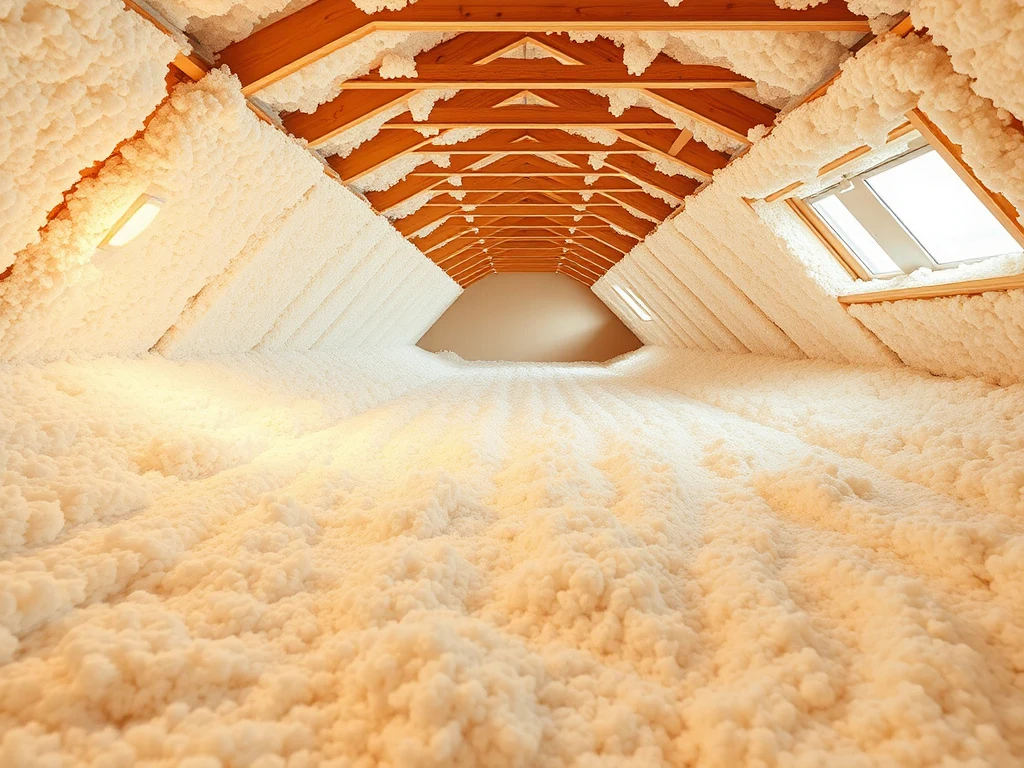
Attic Insulation in Show Low & the White Mountains, AZ
The attic is where most heat escapes — top-ups, removal-and-replace, and full systems built to Show Low's Zone 5B R-49 target, directly tied to ice-dam prevention.
Your attic is the single most important place to insulate a Show Low home. Heat rises, and an under-insulated attic lets it pour straight out through the roof all winter — which not only drives up heating bills but melts the roof snow from underneath, setting up the ice dams that form at the cold eaves every January. Bringing an attic up to Zone 5B's recommended R-49 target is consistently the highest-return efficiency improvement a homeowner in the White Mountains can make.
We handle attics end to end across Show Low, Pinetop-Lakeside, and Snowflake: assessing what's there, air sealing the leaks, adding or replacing insulation, and getting the whole system up to a modern R-value target — with the ventilation and moisture details that a real snow-load winter requires.
Why homeowners choose it
- Targets the largest source of heat loss in most homes
- Fast payback through lower heating bills, whichever fuel you use
- Reduces ice dams by keeping the roof deck cold and even
- Evens out cold and hot rooms across the house
- Documented before-and-after depth for Efficiency Arizona HEAR rebate paperwork
- Improves comfort immediately, through every White Mountains season
Top-up vs. removal-and-replace
Not every attic needs a full tear-out. If your existing insulation is dry and in good shape, the most cost-effective path is often a top-up — air sealing first, then blowing in additional loose-fill to reach your target R-value. But if the old insulation is wet, moldy, rodent-damaged — a real issue in rural White Mountains attics near open land — or so unevenly distributed that it can't be salvaged, removal-and-replace is the right call. We inspect first and recommend the honest path, never a tear-out you don't need.
How attic insulation works, start to finish
Free assessment
We inspect your home, measure existing R-value, and confirm what current Efficiency Arizona HEAR or UniSource funding applies.
Custom plan & itemized quote
A clear, honest scope — the right material in each area, built to Zone 5B's R-49 attic / R-20 wall targets.
Clean, professional install
Our crews prep, air seal, and install to your target R-value, on schedule and with the site protected.
Documentation & rebate help
We verify the finished work, document before-and-after depth, and help file current rebate paperwork.
With ~19 inches of snow a year — more than most neighboring White Mountains towns — Show Low attics do double duty: keeping heat in and keeping the roof deck cold enough that snow doesn't melt and refreeze at the eaves. An attic built to Zone 5B's R-49 target is the foundation of both.
Building to Show Low's Zone 5B attic target
Show Low sits in IECC Climate Zone 5B at roughly 6,400 feet, which calls for attic insulation around R-49 — well above what's typical in the low-desert Phoenix market, where the priority is keeping heat out rather than in. Many White Mountains homes were built to older, lower standards and have lost performance to settling over the years. We calculate the additional depth needed to reach your target, install to a documented, even depth, and leave measurement markers in place so your finished R-value is verifiable — useful both for your own records and for rebate paperwork.
Ventilation, baffles, and ice-dam prevention
A great attic insulation job is about more than depth. We install soffit baffles so intake ventilation stays open, box out heat-producing fixtures where required, seal the attic hatch, and make sure the attic can breathe properly so moisture doesn't accumulate under the roof deck during a snowy winter. Balanced attic insulation and ventilation together is the real fix for ice dams — insulation alone without airflow can trap moisture and make the problem worse, so we treat the two as one job, not two separate line items.
Signs your Show Low attic needs attention now
A handful of warning signs show up again and again in White Mountains attics that are overdue for work: visible frost or condensation on the underside of the roof deck on a cold morning, icicles or a visible ice ridge forming at the eaves after a snowfall, rooms directly under the attic that never quite feel as warm as the rest of the house, and a heating bill that climbs noticeably every winter without an obvious cause. Any one of these is worth a look; more than one usually means the attic is the primary culprit.
We also regularly find attics where the insulation depth simply isn't even — thick in the middle of the attic floor and thin or nonexistent near the eaves, where it matters most for stopping ice dams. A flashlight-and-tape-measure check from the attic hatch can give you a rough sense of where you stand, but a proper assessment measures depth at multiple points and checks for the air leaks that a visual check alone will miss.
- Frost or condensation under the roof deck on cold mornings
- Ice ridges or icicles forming at the eaves after snowfall
- Rooms under the attic that never feel as warm as the rest of the house
- Heating bills that climb every winter without an obvious cause
Ideal for
- Homes with thin, settled, or missing attic insulation
- Older Show Low and Pinetop-Lakeside houses below the R-49 target
- Homes with recurring ice-dam or persistently cold-room problems
- Anyone chasing lower gas, propane, or electric heating bills
- Attics needing removal of old, contaminated, or damaged insulation
What affects the cost
Attic Insulation questions, answered
Show Low sits in IECC Climate Zone 5B, where recommended attic insulation is typically around R-49. Many existing homes sit well below that. Bringing your attic up to target is usually the single highest-return efficiency upgrade available at 6,400 feet.
It depends on your attic's size, the R-value you're starting from, whether old insulation needs removal, and how much air sealing is required. A straightforward top-up is very cost-effective; a removal-and-replace costs more. We provide a clear, itemized quote after inspecting your attic — and help you apply for any current Efficiency Arizona HEAR funding you qualify for.
It's a big part of the solution. Ice dams form when heat escaping into the attic melts snow on the roof, which refreezes at the cold eaves. Air sealing and proper attic insulation keep the roof deck cold and even, which dramatically reduces ice-dam formation. Adequate ventilation, which we address as part of the job, completes the fix.
Not always. If it's dry and in good condition, we can usually top up over it. If it's wet, moldy, rodent-damaged, or contaminated — common in rural White Mountains attics near open land — removal-and-replace is the right move. We inspect first and only recommend removal when it's genuinely needed.
Related services
Ready for a free attic insulation estimate?
Tell us about your home and we'll put together a clear, no-pressure quote — plus tell you what current Arizona rebate funding you may qualify for.