Air Sealing & Weatherization in Show Low & the White Mountains, AZ
Sealing the hidden leaks that waste heat and cause drafts — the highest-return first step before adding insulation, and the key to lower heating bills at 6,400 feet.
Insulation slows heat, but it doesn't stop air. If your Show Low or Pinetop-Lakeside home is leaky — and most homes built before modern energy codes are — warm air escapes through hundreds of small gaps around the clock, dragging cold, dry outdoor air in behind it. Air sealing finds and closes those leaks, and it's almost always the highest-return efficiency work you can do. Done before an insulation upgrade, it makes every dollar of new R-value actually perform.
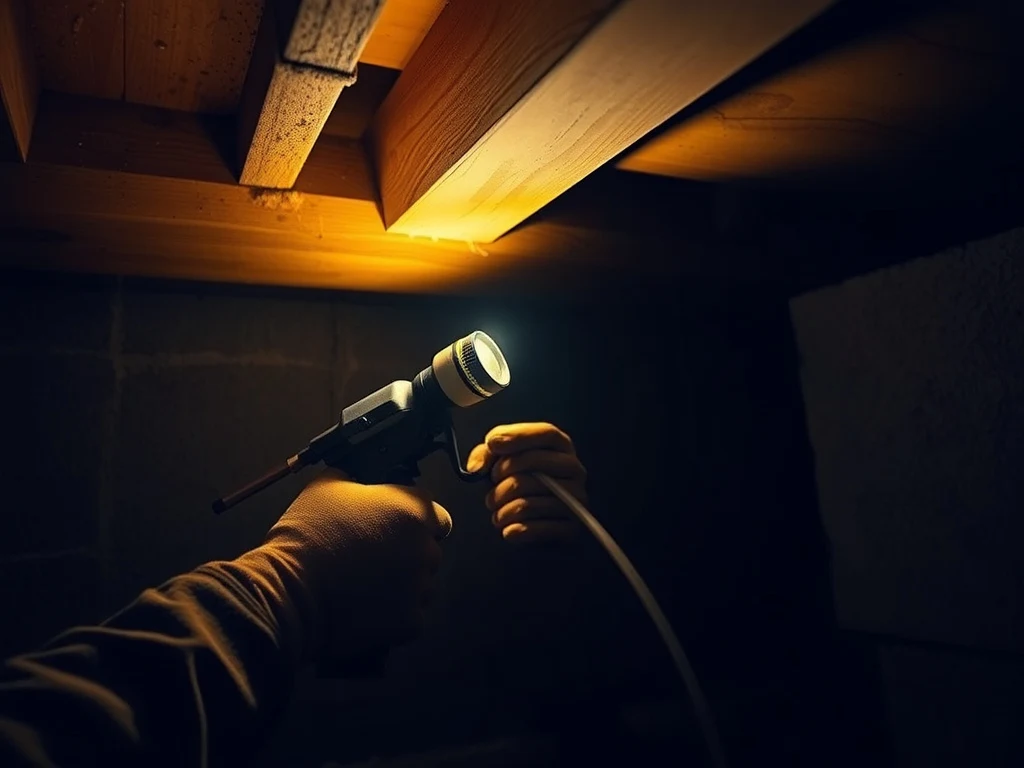
From attic top plates and can lights to rim joists, plumbing and wiring penetrations, and the attic hatch, we methodically seal the pathways that let your conditioned air leak away. This work matters directly for ice-dam prevention too — the same attic leaks that waste heat are what melt roof snow from underneath, so sealing them is a core part of protecting your roofline through a White Mountains winter.
Why homeowners choose it
- Stops the drafts and cold spots insulation alone can't fix
- Makes new insulation perform to its full rated R-value
- Lowers gas, propane, and electric heating bills, often significantly
- Reduces dust and wind-driven infiltration common in older construction
- Helps prevent ice dams by cutting attic heat loss
- A common-sense first step before any insulation upgrade
Where homes leak — and what we seal
Air leaks hide in predictable places, and they add up to the equivalent of leaving a window open all winter. The biggest culprits are up high and down low, where the 'stack effect' drives warm air out the top of the house and pulls cold air in at the bottom. We target the whole set: attic top plates, recessed lights, plumbing and wiring penetrations, the attic access hatch, rim joists, band joists, duct connections, and gaps around windows and doors.
Using caulk, foam, gaskets, and weatherstripping matched to each location, we close these pathways so your heating stays inside where you paid to put it — whether that's UniSource natural gas, propane, or Navopache-served electric heat.
How air sealing & weatherization works, start to finish
Free assessment
We inspect your home, measure existing R-value, and confirm what current Efficiency Arizona HEAR or UniSource funding applies.
Custom plan & itemized quote
A clear, honest scope — the right material in each area, built to Zone 5B's R-49 attic / R-20 wall targets.
Clean, professional install
Our crews prep, air seal, and install to your target R-value, on schedule and with the site protected.
Documentation & rebate help
We verify the finished work, document before-and-after depth, and help file current rebate paperwork.

At 6,400 feet with sub-freezing winter nights common, air sealing is often the single highest-value project a Show Low homeowner can do before winter — it's relatively inexpensive, it multiplies the value of any insulation you add later, and it directly protects against the frozen-pipe and ice-dam problems this elevation and snowfall create.
Why air sealing comes before insulation
It's tempting to just pile on more insulation, but insulation laid over a leaky attic floor underperforms because air moves right through and around it. Sealing the leaks first means the new insulation you add actually delivers its rated R-value. That's why we treat air sealing as step one of any attic or wall upgrade — it's the cheapest, highest-ROI work in the whole project, and it multiplies the value of everything that follows.
Weatherization for manufactured and mobile homes
Air sealing looks a little different on a manufactured or mobile home. Skirting gaps, belly-wrap tears, and duct-boot leaks under the floor are common sources of cold-floor complaints and frozen-pipe risk, and they're often invisible until someone actually gets underneath the home to look. We inspect and seal these specific weak points as part of a manufactured-home weatherization scope — a service the region's mixed housing stock makes genuinely necessary, not an upsell.
Weatherization ahead of Show Low's coldest stretch
Weatherization is naturally a fall project for most homeowners, timed ahead of Show Low's coldest months and heaviest snow, which typically arrives in January. Doing this work before the first hard freeze means your home is protected when it matters most, rather than scrambling to seal a drafty room mid-winter or dealing with a frozen pipe after the fact. We book a meaningful share of our fall schedule around exactly this kind of preventive weatherization work.
That said, air sealing isn't a fall-only service — if you're noticing drafts, high bills, or cold rooms in the middle of winter, there's no reason to wait for warmer weather to fix it. We work around snow and cold conditions regularly, and most air-sealing work (attic and crawlspace access, mainly) isn't weather-dependent the way exterior work would be.
Ideal for
- Drafty homes with cold or hot rooms
- Any home about to add attic or wall insulation
- Older Show Low, Pinetop-Lakeside, and Taylor houses that were never sealed
- Manufactured and mobile homes with visible gaps at skirting or belly-wrap seams
- Homes with high winter heating bills, whatever the fuel type
What affects the cost
Air Sealing & Weatherization questions, answered
It's often the single best-value efficiency improvement a home at 6,400 feet can make. Air leaks can waste as much energy as a window left open all winter. Sealing them costs far less than a major insulation project and delivers immediate comfort gains — and it makes any insulation you add afterward perform to its full rating.
Yes — always seal first. Insulation slows heat but doesn't stop air movement, so adding it over unsealed leaks underdelivers. Sealing the attic floor and other pathways first ensures your new insulation reaches its rated R-value. We treat air sealing as step one of any attic or wall upgrade.
Often, yes. Cold floors in manufactured and mobile homes are frequently caused by gaps in skirting, tears in the belly-wrap, or duct-boot leaks under the floor rather than a lack of insulation alone. We inspect underneath and seal those specific weak points as part of a manufactured-home weatherization scope.
Usually a combination of unsealed attic penetrations, gaps around older windows and doors, and unsealed rim joists or crawlspace openings. A methodical air-sealing pass finds and closes these one by one, which is usually far more effective — and far less expensive — than simply adding more insulation on top of the leaks.
Related services
Ready for a free air sealing & weatherization estimate?
Tell us about your home and we'll put together a clear, no-pressure quote — plus tell you what current Arizona rebate funding you may qualify for.