Why Is My House So Cold in Show Low? The Complete Guide to Cold-Climate Insulation at 6,400 Feet
If you've ever stood in a Show Low living room in January with the heat running full blast and still reached for a sweater, you already know something most Arizona insulation content completely ignores: this is not a desert climate. Show Low sits at roughly 6,400 feet on the Mogollon Rim, squarely inside IECC Climate Zone 5B — the same cold-climate building code family as parts of Colorado and the northern Midwest, not the cooling-driven Zone 2B code that governs Phoenix insulation standards two hours south. Most insulation advice aimed at "Arizona homeowners" is written for that low-desert market, and it gets the whole problem backwards.
This guide is written specifically for the White Mountains — Show Low, Pinetop-Lakeside, Snowflake, Taylor, and Heber-Overgaard — and it covers everything a homeowner here actually needs to know: why your house loses heat the way it does, what R-values Zone 5B really calls for, which insulation type belongs where, how ice dams and frozen pipes happen and how to stop them, what manufactured and mobile homes need that site-built homes don't, what a project typically costs, and how current Arizona rebate programs work now that the federal tax credit has expired. By the end, you'll know exactly what your home needs and why.
Show Low is a real four-season mountain town, not a low-desert market
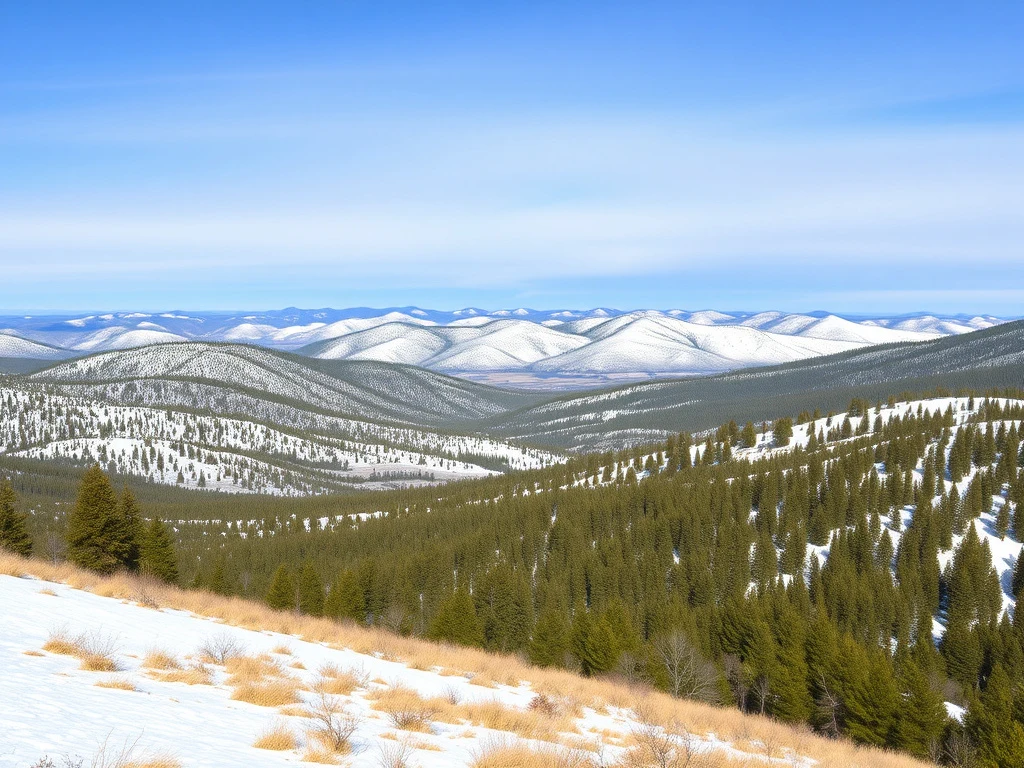
It's worth stating plainly because so much marketing gets it wrong: Show Low is not Phoenix with better views. At roughly 6,400 feet elevation, Show Low is higher than nearby Snowflake (5,686 feet) and sits inside a genuine cold-climate weather pattern — January average highs around 46°F, average lows in the high 20s, and roughly 19 inches of snow in a typical year, heaviest in January. December nights regularly drop into the low 20s. That's a real winter by any national standard, and it demands real cold-climate building science, not a warmed-over version of desert insulation advice.
The practical consequence is that your home's insulation priority here is heat retention, not heat rejection. In Phoenix, the building code and every insulation contractor's pitch is about keeping brutal summer heat out. In Show Low, while summers are pleasantly mild (part of why this is such a popular escape from Valley heat), the dominant year-round energy challenge is keeping the heat you're paying for — whether it comes from UniSource natural gas, propane, or Navopache-served electric heat — inside the house instead of leaking out through an under-insulated attic, wall, or crawlspace.
IECC Climate Zone 5B: what it actually means for your home
The Department of Energy and the International Energy Conservation Code (IECC) divide the country into climate zones that set recommended insulation levels for new construction and major renovations. Navajo County — and therefore Show Low — falls into Zone 5B, a cold, semi-arid, high-elevation zone. That's a meaningfully different (and more demanding) standard than the cooling-driven Zone 2B code that governs most of the rest of Arizona.
- Attic insulation: around R-49 — the top priority, since most heat escapes upward through the roof.
- Exterior walls: around R-20, or R-13 with continuous exterior insulation, depending on wall assembly.
- Floors over unconditioned space (crawlspaces, garages): roughly R-30.
- Basement and crawlspace walls: around R-15, often best achieved with closed-cell spray foam for its combined insulation and moisture control.
Compare that to Phoenix's Zone 2B code, where attic insulation is also targeted around R-49 (heat rises regardless of climate), but wall insulation is only around R-13 — because Phoenix code cares about keeping summer heat out of the walls, not winter heat in. The real differentiator for a Show Low home isn't the attic number so much as the wall assembly rigor, the air-sealing priority, and the overall building-envelope philosophy: keep heat IN, not keep heat OUT. A contractor who doesn't understand that distinction will under-spec your walls even if they get the attic right.
Why your house feels cold even with the heat running
This is the question behind almost every call we get, and the answer is almost never "you need a bigger furnace." It's one or more of these: an under-insulated attic letting heat pour out through the roof, unsealed air leaks letting warm air escape and cold air infiltrate around the clock, an uninsulated crawlspace or rim joist chilling the floor system from below, or — in a manufactured or mobile home — a compromised belly-wrap and skirting system letting cold air straight into the underfloor space. Often it's a combination of two or three of these at once, which is why a proper assessment looks at the whole envelope rather than assuming the attic is the only culprit.
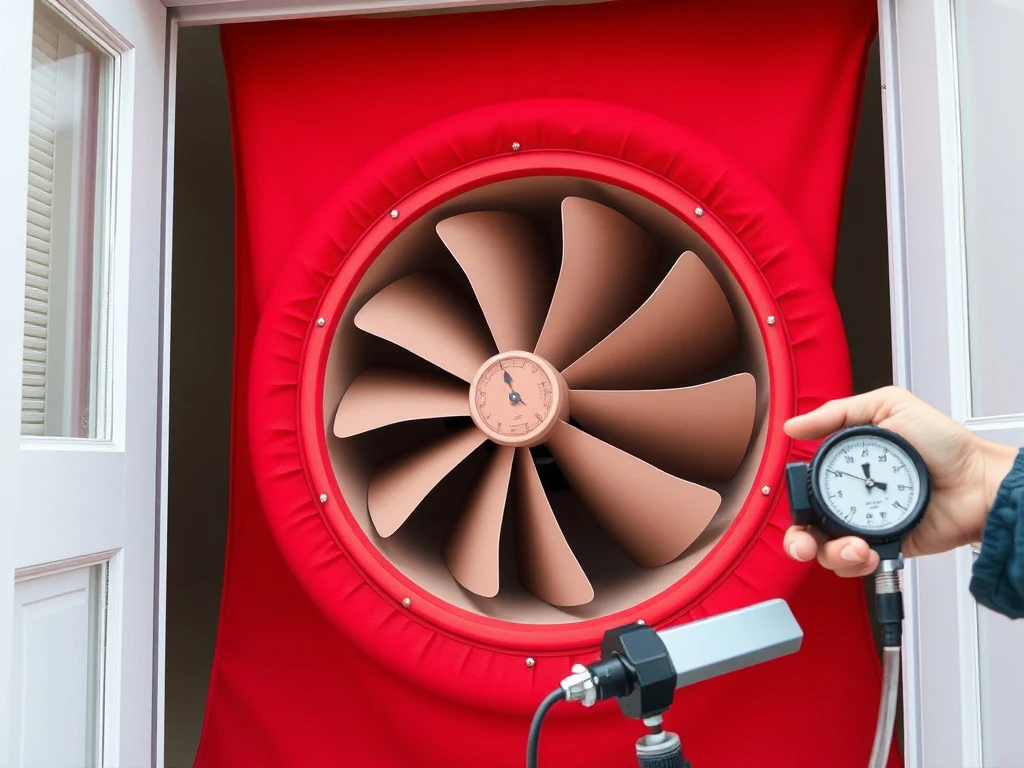
There's also a subtler mechanism worth understanding: insulation and air sealing solve two different problems. Insulation slows heat conduction — the loss of heat through a solid material like an attic floor or wall. Air sealing stops convection — the physical movement of warm air out of the house and cold air in, through gaps you often can't even see. A home can have decent insulation and still feel drafty and cold if it's leaky, because insulation alone doesn't stop moving air. That's why we treat air sealing as step one of almost every project, before adding a single inch of new insulation.
The three main insulation types — and where each one belongs
Spray foam
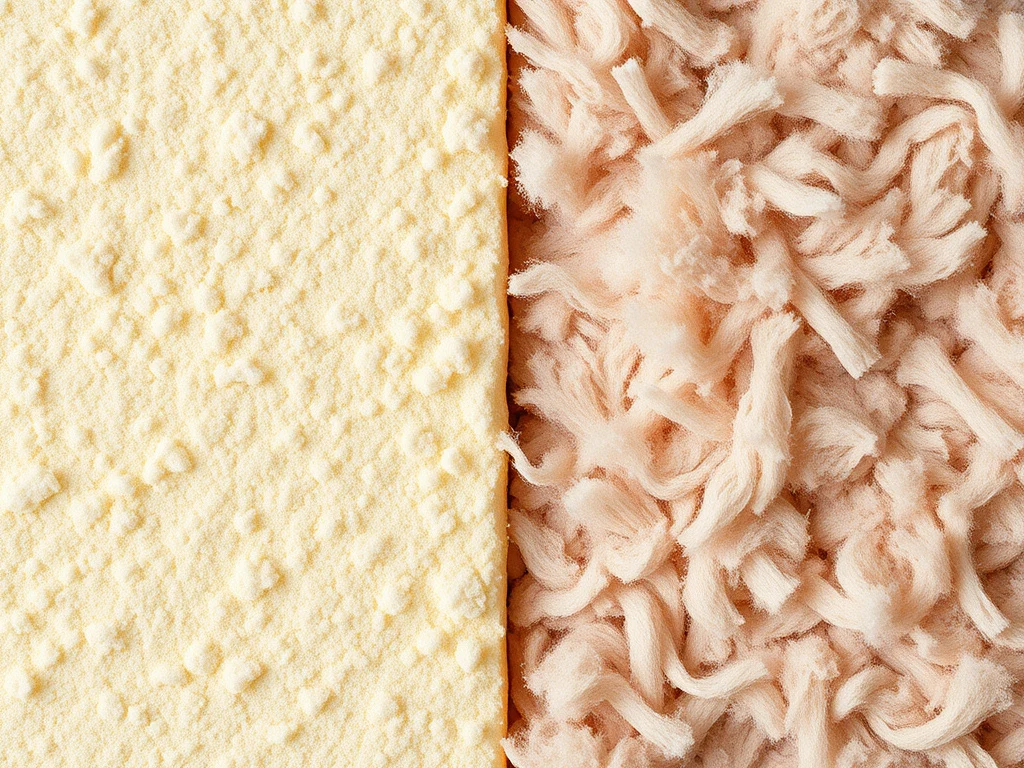
Spray foam is the premium option, and it earns that status by doing two jobs at once: it insulates and air-seals in a single application, expanding to fill every gap and crack. Closed-cell foam is denser, delivers the highest R-value per inch of any common material, and acts as a moisture barrier — which makes it the standout choice for crawlspaces, rim joists, and manufactured-home underbellies, where irregular framing and moisture exposure make batts and blown-in impractical. Open-cell foam is lighter, expands more, and offers a cost-effective air seal for interior walls and vaulted cabin ceilings. The trade-off is cost per square foot; the smart approach is using it selectively where its combined R-value-plus-air-seal genuinely earns the premium.
Blown-in (loose-fill) insulation
Blown-in cellulose or fiberglass is the workhorse for attics. It's blown through a hose to fill the attic floor evenly, flowing around wiring, plumbing, and irregular framing to eliminate the gaps a rigid batt would leave. For reaching Zone 5B's R-49 attic target across a standard attic, blown-in is fast, cost-effective, and hard to beat — especially for topping up the thin, settled attics common in older Show Low and Pinetop-Lakeside homes. Paired with air sealing first, it delivers excellent real-world performance for the money.
Batt and roll insulation
Pre-cut fiberglass or mineral-wool batts are the economical choice wherever framing is open — new construction, additions, cabin remodels, and the outbuildings and shops common on White Mountains acreage. Installed correctly (cut to fit, snug, split cleanly around wiring), batts deliver reliable, full-rated R-value at the lowest cost per square foot. The catch is that installation quality matters enormously with batts — a compressed or gapped batt can lose a large share of its rated performance, which is the most common shortcut we see in DIY cabin and shop conversions.
Ice dams: Show Low's signature cold-climate roof problem
With roughly 19 inches of snow a year — more than nearby Snowflake's ~13 inches — ice dams are a genuinely common, recurring problem here in a way they simply aren't in most of Arizona. An ice dam forms when heat escaping into an under-insulated, poorly ventilated attic warms the underside of the roof deck. That warmth melts the snow sitting directly above the heated living space, the meltwater runs down toward the eaves, and at the cold roof edge — past the heated envelope — it refreezes into a ridge of ice. That ridge dams up more meltwater behind it, which can back up under your shingles and cause real water intrusion and damage.
The fix isn't "more insulation" alone — it's balance. You need to air seal the attic floor so warm air can't escape into the attic in the first place, insulate to the Zone 5B R-49 target so what heat does reach the attic floor stays below it, and maintain balanced soffit-intake and ridge-exhaust ventilation so the entire roof deck stays at a consistent, cold temperature from top to bottom. Skip the ventilation piece and you can trap moisture under the roof deck even with excellent insulation — which is why we treat attic insulation and ventilation as one combined job, not two separate line items.
Frozen pipes: the other half of a White Mountains winter
Pipes freeze wherever they lose their thermal connection to the heated interior of the house — crawlspaces, exterior walls, and the underbelly of manufactured and mobile homes are the classic failure points. At 6,400 feet, with lows regularly in the high 20s and colder snaps well below that, an uninsulated or gapped crawlspace can sit at or below freezing on a still winter night even while the living space above stays comfortable. The fix is the same envelope logic as everywhere else: insulate the vulnerable space (crawlspace walls, exterior-wall cavities, manufactured-home underbelly), seal the gaps that let cold air reach the pipes, and where appropriate, insulate the most exposed pipe runs directly.
This matters even more for Show Low's substantial cabin and second-home market. A lot of White Mountains properties are owned by Valley residents who aren't there full-time, and an unheated or minimally heated cabin left over a cold snap is exactly the scenario where a frozen, burst pipe does the most damage — because nobody notices until the water's already been running for days. If you own a seasonal property here, pipe-freeze protection deserves the same priority as any comfort upgrade, arguably more.
Manufactured and mobile homes need a different approach
Manufactured and mobile homes — including park-model cabin units — are a common housing type across Show Low and the wider White Mountains region, and they have insulation failure points that don't exist in a site-built home. The belly-wrap (the fabric or board barrier under the floor framing) holds underfloor insulation in place; when it sags, tears, or gets damaged by rodents, insulation falls away or gets wet, and the floor above loses its protection immediately. Skirting isn't just cosmetic — gaps or missing panels let wind blow directly under the home, stripping heat from the floor and raising the odds of frozen underfloor plumbing. Duct boots and penetrations in the underbelly are another common, often-invisible leak source.
If you own a manufactured or mobile home here and your floors are persistently cold despite the heat running, the underbelly system — not necessarily the attic — is very often the real culprit. This is genuinely a specialty within insulation work, not a smaller version of a standard job, and it's worth hiring someone who treats it that way.
What a Show Low insulation project typically costs
Cost depends on your home's size, the material, the area, the target R-value, and how accessible the space is — every quote should be specific to your home. That said, here are general, illustrative ranges to help you budget for the most common projects:
- Attic top-up with air sealing: commonly a few thousand dollars for a typical home, depending on square footage and how much depth is needed to reach R-49.
- Spray foam (targeted areas like a rim joist or crawlspace): often runs from roughly $1,500 to $4,000 depending on scope; whole-home foam projects scale up from there.
- Batt insulation for an addition, room, or outbuilding: typically the lowest per-square-foot cost of the common options, provided installation quality is high.
- Air sealing on its own: often a few hundred to around $1,500 depending on home size and leakiness — and usually the highest return-on-investment work you can do.
- Manufactured-home belly-wrap and underbelly repair: priced by the size and condition of the affected area.
Rebates: what's actually available in Arizona right now
This is an area where it's important to be precise, because rebate and tax-credit information changes and outdated claims online can cost you real money. Two facts to know as of this writing: first, the statewide Efficiency Arizona HEAR program offers home energy upgrade rebates — insulation, air sealing, and ventilation work is specifically eligible, with funding tiered by household income, and it's designed to stack with UniSource Energy Services utility rebate programs. Second, the federal Section 25C tax credit — which previously offered 30% back on qualifying insulation material costs — expired after December 31, 2025. If you see marketing claiming a federal insulation tax credit is available for a 2026 project, that claim is out of date; it is not.
We could not verify a specific dollar-amount insulation rebate from Navopache Electric Cooperative directly, so we won't invent one here — but it's worth asking Navopache about any current energy-audit or weatherization-assistance programs when you're planning a project, since these programs do change. The honest, current picture is: the Efficiency Arizona HEAR program and potential UniSource programs are the real, confirmable rebate paths for a 2026 Show Low insulation project, and we'll help you check your eligibility and current program status before we write your quote — rather than promising a number we can't stand behind.
How to choose the right insulation for your home
There's no single "best" insulation — there's the best product for each part of your specific home, and the strongest results come from combining materials intelligently:
- Attic floor: blown-in cellulose or fiberglass over a properly air-sealed deck, built to the R-49 Zone 5B target.
- Crawlspaces, rim joists, manufactured-home underbellies: closed-cell spray foam for its air seal, moisture control, and high R-value.
- Open walls in new construction, additions, or shop/outbuilding conversions: batts (fiberglass or mineral wool) or dense-packed blown-in.
- Vaulted or cathedral cabin ceilings with limited framing depth: spray foam to maximize R-value in a shallow cavity.
A good contractor designs the system, not just sells the product — and is honest with you about where a premium material like spray foam is genuinely worth it versus where blown-in or batts will do the job for less.
The mistakes that cost Show Low homeowners the most
- Adding insulation without air sealing first — the single most common and costly mistake.
- Under-insulating the attic — stopping well short of the R-49 target Zone 5B actually calls for.
- Under-specifying wall insulation using a low-desert Phoenix mindset instead of Zone 5B's higher heat-retention standard.
- Ignoring the crawlspace and rim joist because "the attic is done" — cold floors usually trace back here.
- Skipping belly-wrap and skirting inspection on a manufactured home while chasing an attic fix that isn't the real problem.
- Covering over wet, moldy, or rodent-damaged insulation instead of removing it first.
- Ignoring attic ventilation while adding insulation, which can trap moisture and worsen ice-dam risk.
Should you DIY or hire a pro?
Some insulation work is genuinely approachable for a confident homeowner — adding a few accessible batts, caulking obvious gaps. But the highest-impact work is also the work where professional installation pays off most. Blown-in insulation requires commercial-grade equipment and the experience to install to a verified, even depth. Spray foam must be applied at the correct ratio, thickness, and substrate temperature to cure properly — a genuinely professional product, not a DIY kit substitute for whole-home coverage. Effective air sealing depends on knowing where homes at this elevation actually leak, which comes from doing this work every day in this specific climate.
There's also a rebate angle: the Efficiency Arizona HEAR program and utility programs generally require professional installation and documentation, so a DIY job can forfeit rebate funding that would have offset much of a professional installation's cost. For the projects that matter most — attic systems, spray foam, and whole-home air sealing — hiring a specialist usually delivers better performance, captured rebate funding, and a result that actually lasts through a real White Mountains winter.
Getting it right for Show Low's actual climate
The best insulation project for a Show Low home isn't the cheapest one, and it isn't generic low-desert Arizona advice applied to a mountain-town house. It's the right materials in the right places, over a properly air-sealed envelope, built to the R-values IECC Zone 5B actually demands, with honest guidance on which current Arizona rebate programs apply — not an invented number. Done right, it makes your home noticeably warmer, meaningfully cheaper to heat, and genuinely protected against the ice dams and frozen pipes that define a real White Mountains winter.
That's exactly what we focus on. We're based in the White Mountains and work exclusively in this climate — Show Low, Pinetop-Lakeside, Snowflake, Taylor, and Heber-Overgaard — spray foam, blown-in, batt, attic systems, air sealing, ice-dam and frozen-pipe protection, manufactured-home insulation, and new-construction and cabin projects, with honest guidance on current Efficiency Arizona HEAR and UniSource rebate programs. Tell us about your home and we'll build a free, no-pressure quote around what it actually needs. Call 844-967-5247 to get started.
Frequently asked questions
Show Low sits in IECC Climate Zone 5B, where recommended attic insulation is typically around R-49. Many existing homes fall well short of that. Bringing your attic up to target is usually the single highest-return efficiency upgrade available at 6,400 feet.
Yes. Navajo County, including Show Low, falls in IECC Climate Zone 5B, a cold-climate code focused on heat retention. Phoenix falls in Zone 2B, a cooling-driven code with lower wall R-value requirements. Applying Phoenix-style insulation advice to a Show Low home will under-spec the walls.
No — the federal Section 25C Energy Efficient Home Improvement Credit, which previously offered 30% back on qualifying insulation costs, expired after December 31, 2025. It does not apply to 2026 insulation projects. Current rebate options run through the statewide Efficiency Arizona HEAR program and potential UniSource utility programs instead.
It helps in both seasons, but Show Low's dominant energy challenge is winter heat retention, not summer cooling — this elevation's summers are comparatively mild. Insulation and air sealing built for Zone 5B's heat-retention priority will also modestly help keep the house cooler on the warmest summer days, but winter performance is the main event here.
Ready for a free quote?
Tell us about your home and we'll build a clear quote — current rebates included.